
The Heart of Your Home’s Electrical System….
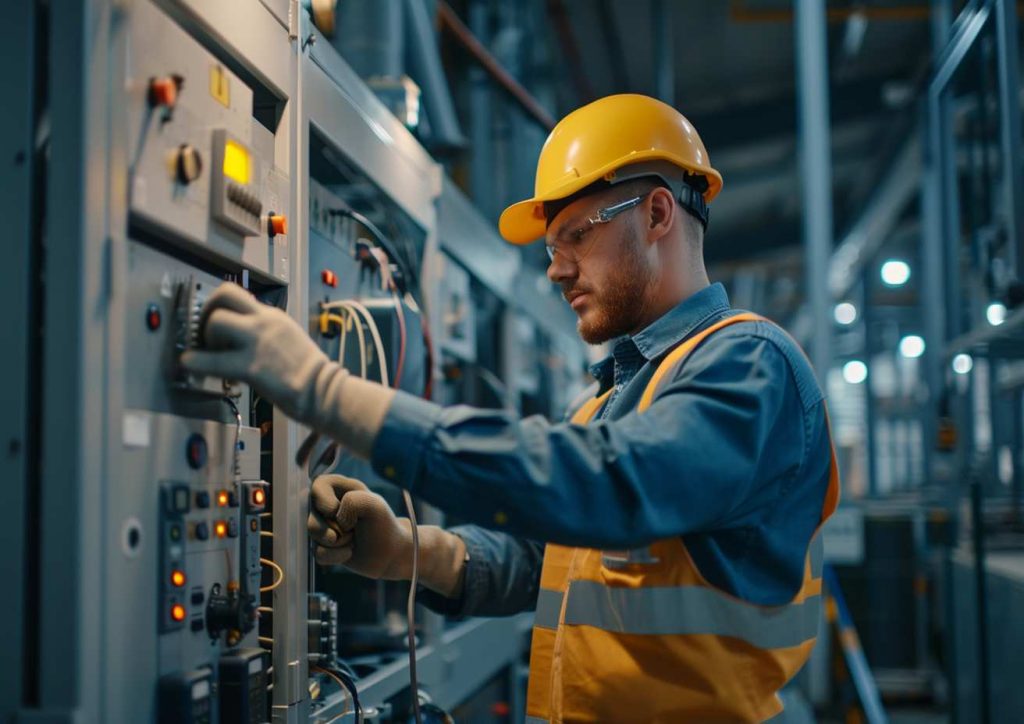
An electrical panel, often referred to as a breaker box or fuse box, is an essential component in any residential or commercial building. It acts as the central hub for distributing electricity throughout the property, managing the flow of electrical current to various circuits. In this article, we will explore what an electrical panel is, how it works, and why it’s crucial to keep it well-maintained. What is an Electrical Panel? An electrical panel is a metal box that houses circuit breakers or fuses, which are responsible for protecting the electrical system from overloads and short circuits. It connects to the main power line coming into the building, and from there, it routes electrical power to various parts of the building through different circuits. In essence, it serves as the distribution point for electricity within the home or business. Every device, appliance, or electrical outlet in the building is connected to one of these circuits, which are all controlled from the panel. Main Components of an Electrical Panel How Does an Electrical Panel Work? Electricity enters your home from the utility provider’s main power line. This current then flows into the electrical panel, where it is broken down into smaller circuits, each capable of powering different parts of the home. For example, a kitchen circuit, a bedroom circuit, and a lighting circuit all draw power from the main electrical panel. Each circuit has its own breaker or fuse that can disconnect the power in case of an issue. When the breaker trips, it prevents further damage to the system and reduces the risk of fire or injury. Importance of Proper Maintenance Electrical panels should be regularly inspected by a qualified electrician to ensure they are functioning correctly. Over time, circuit breakers may wear out, or connections could loosen, which may lead to dangerous situations such as electrical fires. Common signs of panel problems include: If any of these symptoms occur, it is crucial to have the electrical panel inspected and repaired by a professional to avoid electrical hazards. Upgrading Your Electrical Panel As homes and businesses add more electrical appliances and devices, the demand for electricity increases. In some cases, the existing electrical panel may not be equipped to handle the load, leading to issues like frequent tripping or even electrical fires. Upgrading to a higher-capacity panel can ensure that your electrical system is capable of safely supplying power to all your devices. If you are planning to add major appliances or perform a renovation that requires additional electrical power, consulting with an electrician to upgrade your electrical panel is a wise decision. Conclusion Your electrical panel is the backbone of your electrical system, ensuring that electricity flows safely and efficiently throughout your home or business. By understanding its components, how it works, and the importance of regular maintenance, you can help keep your electrical system functioning safely and avoid costly or dangerous electrical issues in the future. Always consult with a licensed electrician for any repairs, upgrades, or inspections of your electrical panel.
The Heart of Your Home’s Electrical System..
An electrical panel, often referred to as a breaker box or fuse box, is an essential component in any residential or commercial building. It acts as the central hub for distributing electricity throughout the property, managing the flow of electrical current to various circuits. In this article, we will explore what an electrical panel is, how it works, and why it’s crucial to keep it well-maintained. What is an Electrical Panel? An electrical panel is a metal box that houses circuit breakers or fuses, which are responsible for protecting the electrical system from overloads and short circuits. It connects to the main power line coming into the building, and from there, it routes electrical power to various parts of the building through different circuits. In essence, it serves as the distribution point for electricity within the home or business. Every device, appliance, or electrical outlet in the building is connected to one of these circuits, which are all controlled from the panel. Main Components of an Electrical Panel How Does an Electrical Panel Work? Electricity enters your home from the utility provider’s main power line. This current then flows into the electrical panel, where it is broken down into smaller circuits, each capable of powering different parts of the home. For example, a kitchen circuit, a bedroom circuit, and a lighting circuit all draw power from the main electrical panel. Each circuit has its own breaker or fuse that can disconnect the power in case of an issue. When the breaker trips, it prevents further damage to the system and reduces the risk of fire or injury. Importance of Proper Maintenance Electrical panels should be regularly inspected by a qualified electrician to ensure they are functioning correctly. Over time, circuit breakers may wear out, or connections could loosen, which may lead to dangerous situations such as electrical fires. Common signs of panel problems include: If any of these symptoms occur, it is crucial to have the electrical panel inspected and repaired by a professional to avoid electrical hazards. Upgrading Your Electrical Panel As homes and businesses add more electrical appliances and devices, the demand for electricity increases. In some cases, the existing electrical panel may not be equipped to handle the load, leading to issues like frequent tripping or even electrical fires. Upgrading to a higher-capacity panel can ensure that your electrical system is capable of safely supplying power to all your devices. If you are planning to add major appliances or perform a renovation that requires additional electrical power, consulting with an electrician to upgrade your electrical panel is a wise decision. Conclusion Your electrical panel is the backbone of your electrical system, ensuring that electricity flows safely and efficiently throughout your home or business. By understanding its components, how it works, and the importance of regular maintenance, you can help keep your electrical system functioning safely and avoid costly or dangerous electrical issues in the future. Always consult with a licensed electrician for any repairs, upgrades, or inspections of your electrical panel.
The Heart of Your Home’s Electrical System.
An electrical panel, often referred to as a breaker box or fuse box, is an essential component in any residential or commercial building. It acts as the central hub for distributing electricity throughout the property, managing the flow of electrical current to various circuits. In this article, we will explore what an electrical panel is, how it works, and why it’s crucial to keep it well-maintained. What is an Electrical Panel? An electrical panel is a metal box that houses circuit breakers or fuses, which are responsible for protecting the electrical system from overloads and short circuits. It connects to the main power line coming into the building, and from there, it routes electrical power to various parts of the building through different circuits. In essence, it serves as the distribution point for electricity within the home or business. Every device, appliance, or electrical outlet in the building is connected to one of these circuits, which are all controlled from the panel. Main Components of an Electrical Panel How Does an Electrical Panel Work? Electricity enters your home from the utility provider’s main power line. This current then flows into the electrical panel, where it is broken down into smaller circuits, each capable of powering different parts of the home. For example, a kitchen circuit, a bedroom circuit, and a lighting circuit all draw power from the main electrical panel. Each circuit has its own breaker or fuse that can disconnect the power in case of an issue. When the breaker trips, it prevents further damage to the system and reduces the risk of fire or injury. Importance of Proper Maintenance Electrical panels should be regularly inspected by a qualified electrician to ensure they are functioning correctly. Over time, circuit breakers may wear out, or connections could loosen, which may lead to dangerous situations such as electrical fires. Common signs of panel problems include: If any of these symptoms occur, it is crucial to have the electrical panel inspected and repaired by a professional to avoid electrical hazards. Upgrading Your Electrical Panel As homes and businesses add more electrical appliances and devices, the demand for electricity increases. In some cases, the existing electrical panel may not be equipped to handle the load, leading to issues like frequent tripping or even electrical fires. Upgrading to a higher-capacity panel can ensure that your electrical system is capable of safely supplying power to all your devices. If you are planning to add major appliances or perform a renovation that requires additional electrical power, consulting with an electrician to upgrade your electrical panel is a wise decision. Conclusion Your electrical panel is the backbone of your electrical system, ensuring that electricity flows safely and efficiently throughout your home or business. By understanding its components, how it works, and the importance of regular maintenance, you can help keep your electrical system functioning safely and avoid costly or dangerous electrical issues in the future. Always consult with a licensed electrician for any repairs, upgrades, or inspections of your electrical panel.
The Heart of Your Home’s Electrical System
An electrical panel, often referred to as a breaker box or fuse box, is an essential component in any residential or commercial building. It acts as the central hub for distributing electricity throughout the property, managing the flow of electrical current to various circuits. In this article, we will explore what an electrical panel is, how it works, and why it’s crucial to keep it well-maintained. What is an Electrical Panel? An electrical panel is a metal box that houses circuit breakers or fuses, which are responsible for protecting the electrical system from overloads and short circuits. It connects to the main power line coming into the building, and from there, it routes electrical power to various parts of the building through different circuits. In essence, it serves as the distribution point for electricity within the home or business. Every device, appliance, or electrical outlet in the building is connected to one of these circuits, which are all controlled from the panel. Main Components of an Electrical Panel How Does an Electrical Panel Work? Electricity enters your home from the utility provider’s main power line. This current then flows into the electrical panel, where it is broken down into smaller circuits, each capable of powering different parts of the home. For example, a kitchen circuit, a bedroom circuit, and a lighting circuit all draw power from the main electrical panel. Each circuit has its own breaker or fuse that can disconnect the power in case of an issue. When the breaker trips, it prevents further damage to the system and reduces the risk of fire or injury. Importance of Proper Maintenance Electrical panels should be regularly inspected by a qualified electrician to ensure they are functioning correctly. Over time, circuit breakers may wear out, or connections could loosen, which may lead to dangerous situations such as electrical fires. Common signs of panel problems include: If any of these symptoms occur, it is crucial to have the electrical panel inspected and repaired by a professional to avoid electrical hazards. Upgrading Your Electrical Panel As homes and businesses add more electrical appliances and devices, the demand for electricity increases. In some cases, the existing electrical panel may not be equipped to handle the load, leading to issues like frequent tripping or even electrical fires. Upgrading to a higher-capacity panel can ensure that your electrical system is capable of safely supplying power to all your devices. If you are planning to add major appliances or perform a renovation that requires additional electrical power, consulting with an electrician to upgrade your electrical panel is a wise decision. Conclusion Your electrical panel is the backbone of your electrical system, ensuring that electricity flows safely and efficiently throughout your home or business. By understanding its components, how it works, and the importance of regular maintenance, you can help keep your electrical system functioning safely and avoid costly or dangerous electrical issues in the future. Always consult with a licensed electrician for any repairs, upgrades, or inspections of your electrical panel.